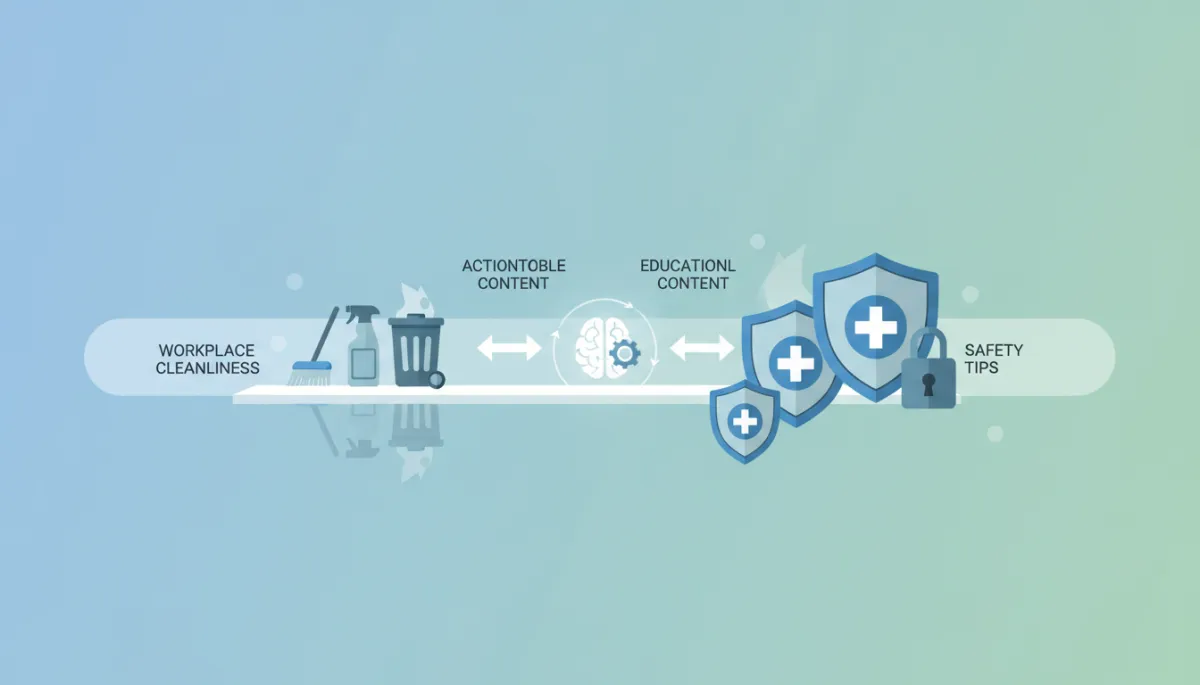
How to Keep the Workplace Clean and Safe
Health & Safety, Workplace Cleanliness and Safety Tips
How to Keep the Workplace Clean and Safe: Practical Steps Anyone Can Take
To keep the workplace clean and safe, you need clear routines, shared responsibility, and simple daily habits that prevent mess and hazards before they start. This guide breaks those ideas into practical Workplace Cleanliness and Safety Tips you can actually use, whether you work in an office, shop, clinic, or warehouse. Along the way, you will see how concepts like workplace sanitation, environmental cleaning, and commercial disinfection fit into everyday routines without overwhelming your team.
Why Workplace Cleanliness and Safety Matter More Than You Think
A clean, safe workplace is not just about appearances. It directly affects health, productivity, and even how people feel about their jobs. Dusty desks, cluttered walkways, and poorly stored chemicals can quietly increase the risk of illness, trips, and accidents. On the other hand, a tidy, well-organised space sends a clear message: people here are valued, and their safety matters. Thoughtful workplace sanitation and environmental cleaning also show visitors and clients that you take health and hygiene seriously.
The good news is that you do not need to be a health and safety expert to make a difference. With a few consistent habits and some shared ground rules, any individual can help keep their workplace clean and safe every day. Whether you work with a professional team to sanitise business premises or rely on in‑house routines, the same principles apply: regular cleaning, smart storage, and attention to hazards.
1. Start with Your Own Space: Daily Desk and Workstation Habits
The easiest place to begin is your own workstation. When each person takes responsibility for their immediate area, the whole workplace becomes more orderly and safer without big campaigns or complicated rules. Think of your desk, counter, or bench as your safety zone: if it is clean and organised, you are already reducing risks for yourself and others nearby. These habits are the foundation of everyday workplace sanitation in any cleaning industry setting, from offices to warehouses.
Clear surfaces at the start and end of the day. Keep only what you need for the task in front of you. Store extra files, tools, and gadgets in drawers or shelves instead of piling them on your desk where they can fall or get in the way. This simple practice mirrors what professional hygiene services for building sites do on a larger scale: reduce clutter so hazards have nowhere to hide.
Wipe down high-touch areas regularly. Use disinfectant wipes or spray on your keyboard, mouse, phone, and desk surface, especially during cold and flu season. This simple Workplace Cleanliness and Safety Tip cuts down on germs you cannot see but definitely do not want to share, and it is a small‑scale version of commercial disinfection that keeps shared equipment safer to use.
Keep drinks and food under control. Use lidded cups to prevent spills on electronics, and avoid leaving open food containers at your workstation. Crumbs attract pests, and spills can cause slips or damage equipment. Good food hygiene at your desk supports broader environmental cleaning efforts across the building.
Manage cables and chargers. Use simple cable clips or ties to keep cords off the floor and away from your feet. Loose cables are a classic trip hazard that is easy to prevent with a few minutes of organising. Think of it as part of your personal sanitising business checklist: clear floors, clear surfaces, and clearly labelled equipment.
💡 Pro Tip: Set a recurring five-minute “reset” alarm at the end of each day to tidy your workstation. Future you will thank you every morning, and it keeps your daily workplace sanitation routine quick and manageable.
2. Shared Spaces: Keeping Kitchens, Break Rooms, and Meeting Areas Safe
Shared spaces are where good habits—or bad ones—really show. A clean break room and tidy meeting room reduce stress, prevent cross-contamination, and make collaboration more pleasant. More importantly, they help stop minor issues, like food spills or cluttered exits, from turning into real safety problems. In many organisations, these areas are also where external hygiene services for building sites or office blocks focus their efforts, so daily staff habits should support—not undo—their work.
Follow a “leave it better than you found it” rule. Wipe the table after you eat, rinse your mug, and put rubbish straight into the bin. These tiny actions take seconds but keep shared areas usable for everyone and make it easier for professional sector-specific hygiene services to maintain high standards when they visit.
Label and date food in fridges. Unmarked food quickly turns into mystery containers and bad smells. Encourage everyone to write their name and date on items, and agree on a weekly “fridge clear-out” day so expired food does not linger. This simple system supports broader environmental cleaning by reducing pests, odours, and cross‑contamination risks.
Keep floors dry and clutter-free. In kitchens and near water coolers, clean up spills immediately, even if you did not cause them. Remove bags and boxes from walkways in meeting rooms so people are not stepping over obstacles or blocking exits. These habits are a practical extension of any professional commercial disinfection programme: they keep high‑traffic spaces safe between scheduled cleans.
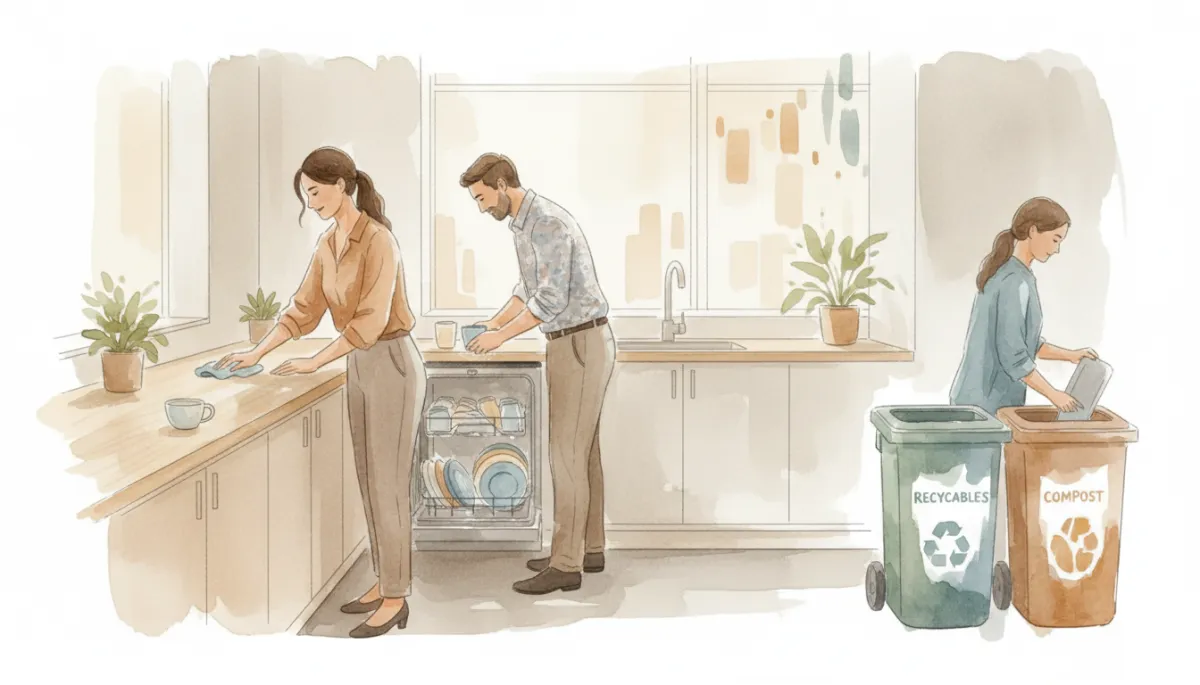
Simple shared rules in kitchens and break rooms prevent mess, odours, and avoidable accidents.
3. Walkways, Storage, and Clutter: Preventing Trips Before They Happen
Many workplace injuries come from simple slips, trips, and falls. The causes are usually ordinary: boxes in corridors, bags under desks, or items stacked too high. By controlling clutter and storing things properly, you reduce the chance of someone getting hurt just by walking through the building. These controls are a core part of environmental cleaning and safety planning in any busy workplace.
Keep emergency exits and walkways clear. Never store boxes, chairs, or equipment in front of doors or along escape routes. If you see something blocking the way, move it or report it immediately. In an emergency, seconds matter, and clear routes are just as important as any commercial disinfection schedule.
Use shelves and storage rooms properly. Heavier items should go on lower shelves, lighter items on higher ones. Do not stack materials so high that they could topple if nudged. If you need a step stool, use a sturdy one, not a swivel chair or box. Safe storage is a key element of sector-specific hygiene services in warehouses, clinics, and industrial sites.
Adopt a “no floor storage” mindset where possible. If something lives on the floor, it is likely to be kicked, tripped over, or damaged. Where you can, use racks, hooks, or cabinets instead of leaving items in walkways or beside desks. This mindset supports both safety and workplace sanitation by making it easier to clean and disinfect floors thoroughly.
📌 Key Takeaway: A clean floor is one of the simplest and most effective Workplace Cleanliness and Safety Tips. If people can walk freely, they are far less likely to get hurt, and it becomes easier for cleaning teams to sanitise business premises to a high standard.
4. Hygiene and Health: Reducing Germs and Absences
Cleanliness is closely linked to health. Germs spread quickly in shared environments, especially where people touch the same surfaces all day. By building simple hygiene habits into the workday, you can reduce sick days and protect colleagues who may be more vulnerable to infections. Combined with periodic commercial disinfection by professionals, these habits create a strong line of defence against illness.
Use handwashing and sanitiser stations. Wash your hands properly after using the bathroom, before eating, and after handling shared items like tools or parcels. Where sinks are not nearby, use hand sanitiser placed in common areas. This is a basic but powerful part of workplace sanitation that supports every other safety measure you put in place.
Disinfect shared equipment. Items like printers, photocopiers, touchscreens, and shared tools can carry germs from person to person. Keep wipes nearby and make it a habit to clean handles and buttons after use, especially in busy periods. This is exactly the kind of detail that professional sector-specific hygiene services focus on in high‑risk environments like clinics and building sites.
Stay home when you are unwell. One of the most powerful Workplace Cleanliness and Safety Tips is also the simplest: if you are sick, avoid bringing it to work. When possible, discuss remote options with your manager rather than “pushing through” and infecting others. This protects your team and helps ensure that the investment you make to sanitise business spaces and maintain environmental cleaning is not undermined by preventable outbreaks.
5. Chemicals, Cleaning Products, and Waste: Handling Them Safely
Even everyday cleaning products can be harmful when used incorrectly. Strong sprays, disinfectants, and industrial cleaners may irritate skin, eyes, or lungs. Safe handling is part of keeping the workplace both clean and safe, not one or the other. These practices are standard in the cleaning industry and should be reflected in your internal procedures too.
Read labels and follow instructions. Before using a new product, check the label for dilution guidance, ventilation advice, and protective gear requirements. Do not mix cleaning products, especially those containing bleach and ammonia, as they can produce dangerous fumes. This is a core rule in any professional commercial disinfection service and should be followed just as carefully in offices and workshops.
Store chemicals correctly. Keep cleaning agents in their original, clearly labelled containers, away from heat and food. Ensure cupboards are closed properly and, where required, locked to prevent accidental access by visitors or contractors unfamiliar with the products. Safe storage is essential for hygiene services for building sites and equally important in smaller workplaces.
Separate waste responsibly. Use the correct bins for general waste, recycling, and confidential documents. For workplaces with sharp objects, batteries, or clinical waste, make sure these go into the designated containers, not regular bins where they could injure cleaners or colleagues. Effective waste management is a key part of environmental cleaning and supports your overall sanitisation business strategy.
6. Animal-Friendly Cleaning: Protecting Pets, Service Animals, and Wildlife
Many workplaces now welcome office pets, assistance dogs, or have outdoor areas where wildlife is present. In these environments, it is important that your workplace sanitation and environmental cleaning routines are also animal-friendly. That means choosing products and habits that keep spaces hygienic without putting animals at risk from harsh chemicals or strong fumes.
Choose pet-safe products where animals are present. In offices or clinics that allow pets or service animals, look for cleaning products clearly labelled as non-toxic to animals and avoid bleach-heavy solutions on floors where paws will make contact. This simple switch supports both commercial disinfection goals and animal welfare.
Keep animals away during cleaning. When stronger products are required, arrange for pets and assistance animals to be moved to a different area until surfaces are dry and the space is well ventilated. This mirrors best practice in sector-specific hygiene services for veterinary clinics and animal facilities.
Store chemicals out of reach. Make sure sprays, wipes, and concentrated solutions are kept in cupboards or rooms that animals cannot access. This is especially important near food preparation areas, pet beds, and outdoor spaces where wildlife may wander. Safe storage protects cleaners, colleagues, and animals at the same time.
💡 Pro Tip: If your workplace has a pet or assistance-animal policy, add a short section on animal-friendly cleaning so everyone knows which products to use, where they can be applied, and how to keep animals safe during and after cleaning.
7. Involve Everyone: Building a Culture of Cleanliness and Safety
A truly clean and safe workplace does not rely on one keen person or the cleaning team alone. It is a shared effort. When everyone understands their role, Workplace Cleanliness and Safety Tips turn into everyday routines instead of occasional campaigns that fade after a week. This culture makes it easier to work effectively with external sector-specific hygiene services, because staff already understand why standards matter.
Agree on simple, visible rules. Short, clear guidelines posted in kitchens, meeting rooms, and near printers are more effective than long policy documents no one reads. For example: “Clear tables after use,” “Report spills immediately,” or “Keep exits clear at all times.” These rules connect everyday behaviour to bigger goals like workplace sanitation and environmental cleaning.
Encourage reporting, not blaming. If people feel safe speaking up about hazards or mess, problems get fixed faster. Thank colleagues who highlight issues and treat their observations as helpful, not negative. This approach supports both safety and the success of any commercial disinfection or sanitisation business programme you invest in.
Lead by example. Whether you are a manager or team member, your behaviour sets the tone. If others see you tidying your space, cleaning up spills you did not cause, and respecting safety signs, they are more likely to do the same. Visible leadership helps turn professional hygiene services for building sites and offices into a shared priority, not just a background task.
8. Turning Tips into Action: A Simple Weekly Checklist
To make these ideas stick, turn them into a quick weekly routine. Here is a straightforward checklist you can adapt to your own workplace. It works whether you rely on internal cleaning, external cleaning industry partners, or a mix of both:
Clear your desk of old papers, packaging, and unnecessary items. This supports daily workplace sanitation and makes it easier for cleaners to wipe and disinfect surfaces properly.
Wipe your workstation, phone, and other high-touch surfaces with disinfectant. Think of this as your personal mini commercial disinfection session between professional cleans.
Check walkways and exits near your area for clutter and remove it or report it. This keeps your environmental cleaning efforts aligned with safety rules and fire regulations.
Look in the fridge and cupboards for expired or unlabelled food and dispose of it according to your workplace rules. Regular checks like this support both hygiene and any sector-specific hygiene services you use for kitchens or catering areas.
Check that cleaning products are stored correctly and that bins are not overflowing. This is a simple way to monitor whether your sanitation business and workplace sanitation plans are being followed day to day.
💡 Pro Tip: Turn your checklist into a shared team activity once a week. Five focused minutes from everyone can transform the entire environment and make professional hygiene services for building sites, offices, or clinics even more effective.
Final Thoughts: Small Habits, Big Impact
Keeping the workplace clean and safe is not about perfection. It is about consistent, realistic actions that fit into everyday routines. From clearing your desk and wiping shared surfaces to keeping walkways free of clutter and handling cleaning products carefully, each small habit adds up to a healthier, more professional environment for everyone. When combined with the right cleaning industry support, these habits create a strong culture of workplace sanitation and care.
When you put these Workplace Cleanliness and Safety Tips into practice, you are not just following rules—you are actively protecting your colleagues, your visitors, and yourself. Start with one or two changes today, share them with your team, and watch how quickly a cleaner, safer culture begins to grow. Over time, pairing everyday habits with professional sector-specific hygiene services, scheduled commercial disinfection, and a clear plan to sanitise business spaces will turn cleanliness and safety into a natural part of how your organisation works.
